You found the leak. Maybe it was a damp patch on the ceiling, a puddle under the sink, or a water bill that jumped for no obvious reason. The checklist is over—now it’s time to act. Here’s exactly what to do, in order.
Key Takeaways
- Shut off your home’s main water valve immediately—locate it now, before you need it in an emergency.
- Washington insurance typically covers sudden leaks (a burst pipe) but not gradual ones (a slow drip you’ve lived with for months), per the state Office of the Insurance Commissioner.
- A simple, accessible pipe repair usually runs $150–$500. A leak behind a wall or ceiling can run $500–$2,000+.
- Recurring leaks or aging galvanized/polybutylene pipe are the real signal for repiping—not one isolated failure.
- Photos and a timestamped record of when you found the leak are what your insurance adjuster asks for first.
3 Steps to Take Right Now
1. Shut off the water.
Know which fixture is leaking? Use its local shutoff valve—usually right below a sink, toilet, or water heater. Can’t isolate it, or the leak’s hidden? Shut off the home’s main valve instead, typically found in a basement, crawl space, or utility closet. Never located yours? Do it today, leak or no leak.
2. Take photos before you clean up.
Photograph the leak source, standing water, and anything it touched—flooring, baseboards, drywall, and belongings. Note the date and time you found it.
3. Call your insurance agent, then a plumber.
Your agent can tell you what your policy requires for a claim. A plumber can confirm the source and give you a repair estimate—details your insurer may ask for.
Turning off the water doesn’t fix anything, but it stops the clock. Everything after this point goes more smoothly because the damage is contained.
Does Insurance Cover Damage from Water Leaks?
It depends on how the leak started. Washington’s Office of the Insurance Commissioner draws a clear line:
| Leak type | Typically covered? | Examples |
| Sudden & accidental | Yes | Burst pipe, supply line that fails without warning |
| Gradual | No | Faucet dripping for weeks, moisture through a foundation crack |
The catch: insurers decide which category you’re in partly based on how quickly you reported it and how well you documented it. That’s why Step 2 above matters—a timestamped record is your best evidence that the leak was sudden, not something you let slide.
Not sure which bucket you’re in? Call your insurance agent before anyone else. They’ll tell you what your specific policy requires.
How a Plumber Finds the Source
 A visible leak doesn’t always mean the source is right there—water travels along framing and can surface feet away from the actual failure. Professional leak detection narrows it down without guesswork:
- Acoustic listening devices—amplify the sound of water escaping under pressure to pinpoint the pipe run
- Thermal imaging—spots temperature differences in walls and flooring caused by escaping water
- Pressure testing—isolates sections of your plumbing to find which line is losing pressure, without cutting into the slab or flooring
The goal isn’t just finding the leak. It’s confirming whether it’s an isolated failure or a sign of something bigger.
What It Costs to Fix
Access is the biggest cost factor—not the leak itself.
| Leak location | Typical repair cost |
| Exposed pipe (under sink, crawl space) | $150 – $500 |
| Inside a finished wall or ceiling | $500 – $2,000+ |
| Burst pipe (plumbing work only) | Similar range to wall leaks |
Water damage restoration—drying out affected areas, replacing ruined flooring, addressing mold risk—is a separate cost on top of the repair. The longer water sits, the more that secondary cost grows. This is the biggest reason to act fast.
When One Leak Means It’s Time to Talk Repiping
Most leaks are isolated—a fitting fails, it gets repaired, done. But watch for these signals that point to a bigger problem:
- Galvanized steel or polybutylene piping (common in homes built before the 1970s)
- Multiple leaks in different spots over a short period
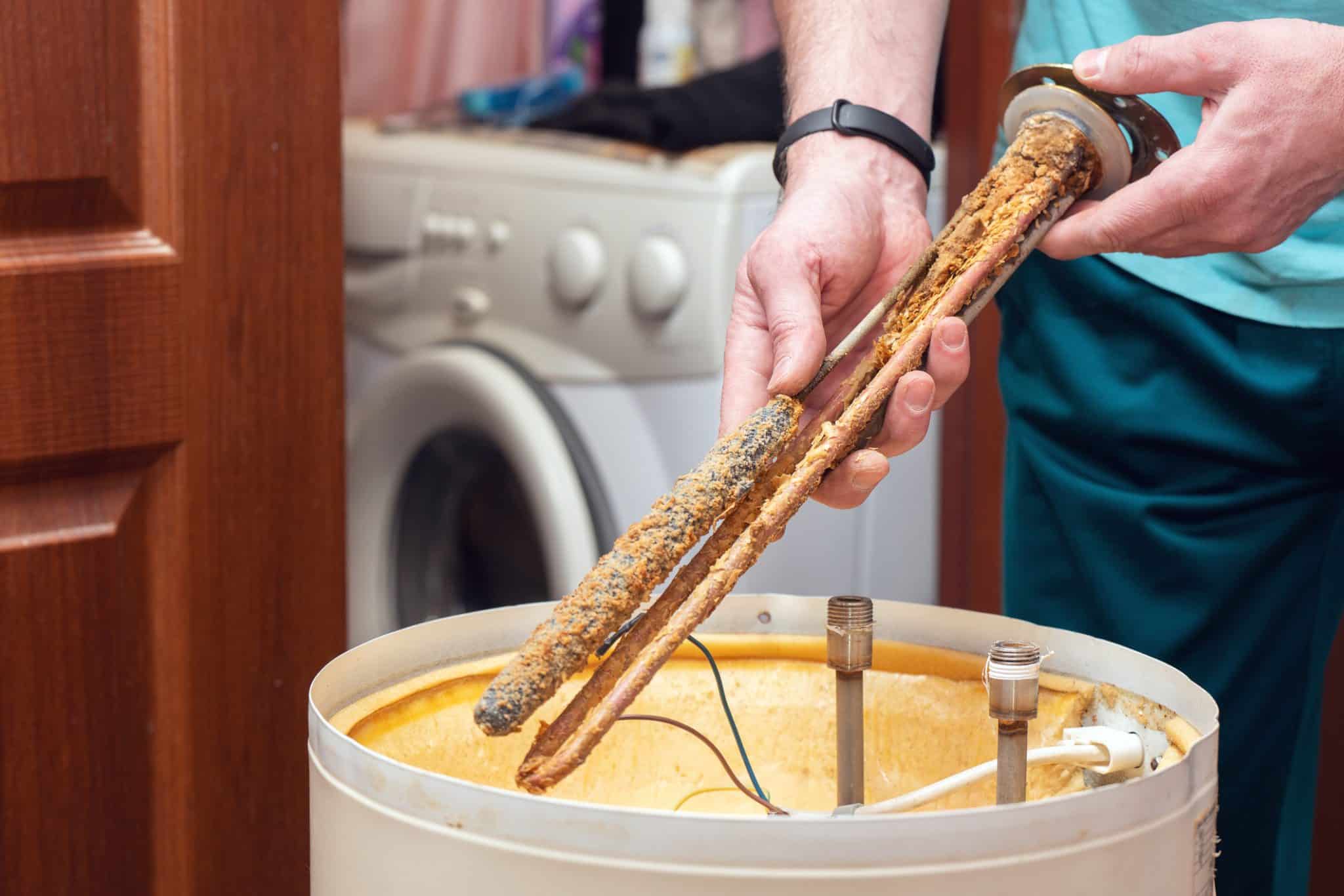
- Discolored or rusty water—often a sign of corrosion throughout the system
- A plumbing system old enough that this leak is likely the first of several to come
A plumber who diagnoses your leak in person can tell you honestly whether you’re looking at a simple repair or a bigger conversation—and won’t push repiping if it’s not needed. If you land in that territory, our guide to what to expect when repiping a house covers cost, timeline, and insurance coverage for the project itself.
Haven’t Found the Leak Yet?
If you’re working from a hunch—a higher water bill, a musty smell, a stain that keeps coming back—start with our Spring Leak Hunt guide to track it down before it gets worse.
Call Bob Larson Plumbing
A water leak rarely stays the size it was when you found it. A small drip becomes a bigger repair, then a mold concern, then a renovation.
Bob Larson Plumbing can diagnose the source, give you a straight answer on repair versus repiping, and get it fixed the same day in most cases. Call (253) 400-1672 for fast, accurate leak detection and pipe repair anywhere in the Tacoma, Lakewood, or Puyallup area.