A weak shower that barely rinses shampoo. Pipes that bang, rattle, or suddenly burst without warning. In Tacoma homes, water pressure problems show up at both extremes—and both can quietly damage your plumbing system if left unchecked.
Low water pressure often signals hidden leaks or aging pipes, while high pressure places constant stress on fixtures, valves, and supply lines.
Knowing how to spot the difference, what causes each issue, and when to call a professional can save your home from costly repairs and water damage. Below, we break down how pressure problems start, what they mean for your plumbing, and how Bob Larson Plumbing helps Tacoma homeowners protect their pipes long-term.
Why Water Pressure Problems Are Common in Tacoma Homes
Tacoma has a mix of older neighborhoods and newer developments, which means plumbing systems vary widely in age and materials. Pressure issues often trace back to:
- Aging galvanized or early copper pipes restricting flow
- Undetected main line leaks underground
- Failing pressure regulators
- Municipal pressure fluctuations
Both low water pressure in Tacoma and high water pressure that damages pipes can point to deeper system-wide concerns—not just a single bad fixture.
Signs of Low Water Pressure (And What They Usually Mean)
Low pressure isn’t just inconvenient. It often acts as an early warning sign.
Common symptoms include:
- Showers that weaken when another fixture runs
- Slow-filling toilets or washing machines
- Inconsistent pressure from room to room
Likely causes:
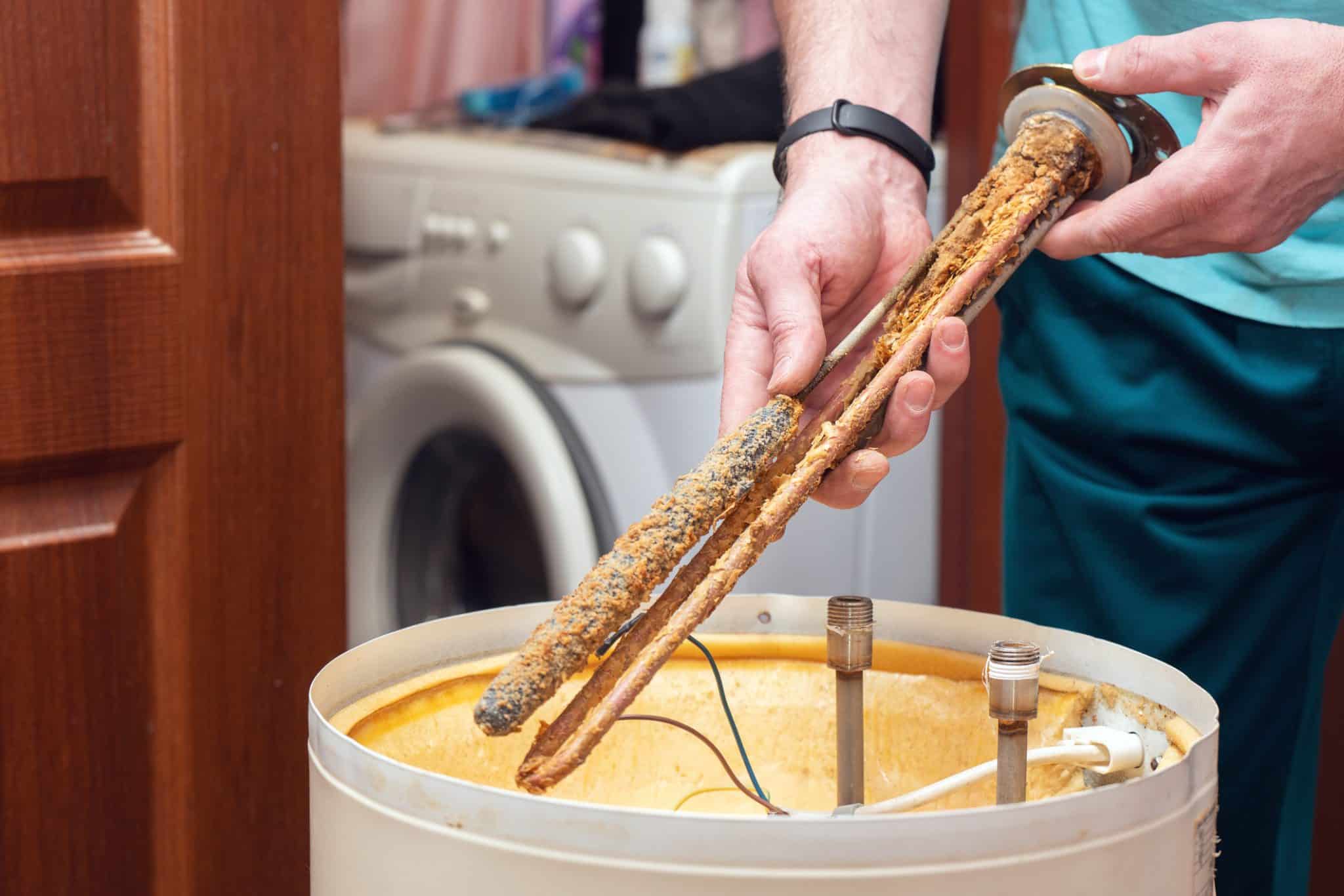
- Mineral buildup inside older pipes
- Corroded or partially collapsed supply lines
- A hidden leak along the main water line
If your entire house has low pressure, it’s rarely a fixture issue. A professional inspection can identify main line leak signs before water damage or soil erosion occurs. Learn more about professional pipe repair and repiping services that address these root causes.
When High Water Pressure Becomes a Serious Risk
Strong pressure might feel like a luxury—but anything consistently above safe residential levels strains your plumbing system.
Warning signs of excessive pressure:
- Banging or knocking pipes (water hammer)
- Dripping faucets despite recent repairs
- Premature failure of appliances like water heaters
Over time, high pressure weakens pipe joints, damages seals, and increases the risk of sudden bursts. Installing or repairing a pressure regulator valve (PRV) keeps pressure within a safe range and protects your entire system.
Sudden Pressure Spikes: Leak or Emergency?
A sudden drop or spike in pressure often signals something urgent.
Possible causes include:
- A break in the main water line
- A major leak inside walls or under slabs
- A failing pressure regulator
If pressure changes abruptly, shutting off the main water supply and calling a licensed plumber right away helps limit damage. Bob Larson Plumbing responds quickly to diagnose pressure-related emergencies across Tacoma.
Understanding Water Hammer and Noisy Pipes
Water hammer happens when fast-moving water stops suddenly, sending shockwaves through pipes. Over time, this stress loosens joints and accelerates pipe failure.
Common triggers:
- High water pressure
- Missing or failed air chambers
- Worn valves
Addressing water hammer often involves pressure regulation, pipe adjustments, or targeted repairs rather than repeated fixture replacements.
Questions Tacoma Homeowners Ask About Water Pressure
Why does my whole house have low water pressure?
When low water pressure affects every fixture in your home, the cause is usually deeper than a clogged faucet aerator. In Tacoma homes, this often points to aging pipes with internal corrosion, mineral buildup that restricts flow, or a developing main water line leak that reduces pressure before water ever reaches your fixtures. A whole-home pressure test and line inspection can pinpoint the restriction and prevent long-term pipe damage.
Common causes of whole-house low water pressure include:
- Corroded galvanized or older copper piping
- Mineral scale buildup inside supply lines
- Partially closed or failing main shutoff valve
- Underground main line leaks
Why does my shower pressure drop when someone uses another sink?
If your shower goes weak when another fixture turns on, your plumbing system is struggling to meet demand. This is common in older Tacoma homes where pipes are undersized or partially blocked, causing water to reroute instead of flowing evenly. Over time, this imbalance signals that pipe upgrades or targeted repairs may be needed to restore consistent pressure.
This issue is often caused by:
- Shared supply lines feeding multiple fixtures
- Internal pipe narrowing from corrosion or buildup
- Failing pressure-balancing valves
- Outdated plumbing layouts not designed for modern usage
Can high water pressure really damage my pipes?
Yes—high water pressure places constant stress on pipes, fittings, and appliances, even when no water is actively running. Over time, that pressure accelerates wear on joints and seals, increasing the risk of leaks, water heater failure, and sudden pipe bursts. Installing or servicing a pressure regulator helps protect your plumbing system and extend its lifespan.
High water pressure commonly leads to:
- Premature pipe and fixture failure
- Leaking faucets and running toilets
- Shortened appliance lifespan
- Increased risk of burst pipes
What causes sudden water pressure spikes in a home?
Sudden pressure spikes usually indicate a serious plumbing issue that needs immediate attention. In many cases, the problem stems from a failing pressure regulator or a developing main line issue that causes pressure to fluctuate unexpectedly. These spikes can quickly damage pipes and appliances if left unaddressed.
Possible reasons for sudden pressure changes include:
- Malfunctioning pressure regulator valves
- Underground main water line leaks
- Municipal supply pressure fluctuations
- Thermal expansion within closed plumbing systems
Is water hammer just a noise problem, or can it cause damage?
Water hammer may start as an annoying banging sound, but it’s a sign of pressure shock moving through your plumbing system. Each shockwave strains pipe joints and connections, which can loosen fittings and increase the risk of leaks over time. Addressing water hammer early helps protect your pipes and keeps pressure levels stable throughout your home.
Water hammer is often linked to:
- Excessive water pressure
- Fast-closing valves or fixtures
- Missing or failed air chambers
- Poorly secured piping
Protecting Your Plumbing With the Right Fix
Water pressure problems rarely resolve on their own. The right solution depends on what’s happening inside your system:
- Pipe repair or repiping for aging or corroded lines
- Pressure regulator installation to control excessive pressure
- Main line inspections to catch leaks early
Bob Larson Plumbing brings decades of local experience to Tacoma homes, focusing on long-term reliability rather than short-term fixes. If your pressure feels off—or your pipes are telling you something isn’t right—schedule a professional evaluation with a team that understands Tacoma plumbing systems inside and out.
Explore our full plumbing services or contact Bob Larson Plumbing today to protect your home from pressure-related damage before it turns into a major repair.