Your home’s plumbing works quietly behind the walls for decades, until it starts causing problems. Recurring leaks, rusty water, or aging pipe materials are all signs that patching one section at a time is no longer enough. For many Federal Way homeowners, the long-term fix is a whole-house repipe.
Repiping a house is a big project, and it is normal to have questions about how long it takes, what pipes to choose, and what permits are needed. Bob Larson Plumbing serves homeowners throughout Federal Way and the South Puget Sound, and this guide walks you through what to expect from start to finish.
Signs Your Federal Way Home Needs Repiping Due to Water Pressure Issues
The clearest sign is frequent leaks or water damage. If you are calling a plumber for one pinhole leak after another, or finding water stains on ceilings and walls, the pipes themselves are likely wearing out. Each repair fixes one spot, but the rest of the system is the same age and condition.
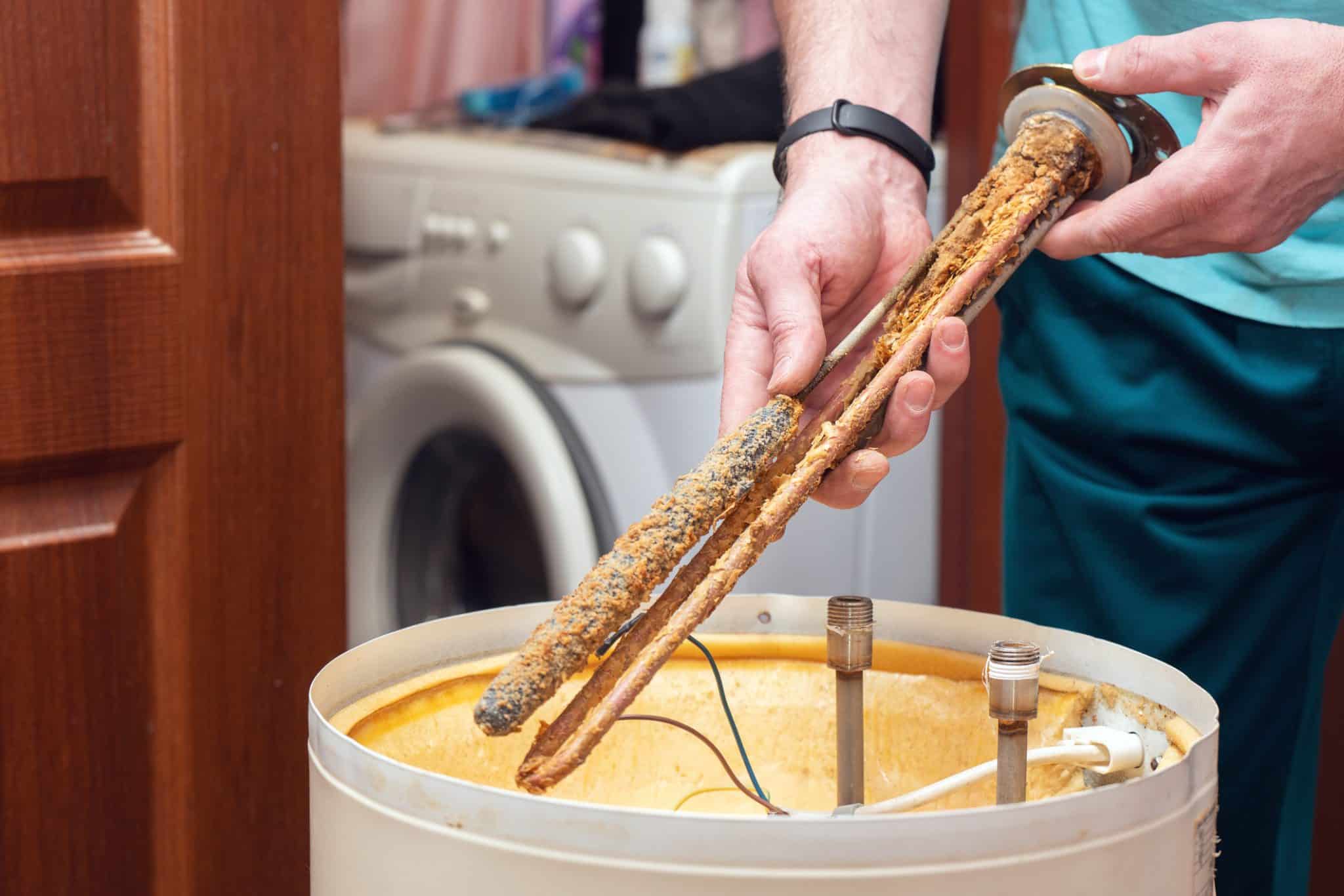
Water quality is another clue. Discolored or rusty water coming from your taps often points to corrosion inside older pipes, especially galvanized steel. Over time, that corrosion can also restrict flow and lower your water pressure.
Finally, the material itself matters. Many Federal Way homes built in past decades still have galvanized steel or polybutylene pipes. Galvanized pipe replacement is often recommended because these pipes corrode from the inside out, and polybutylene pipe replacement is a common priority because this plastic material is known to become brittle and fail. If you are not sure what is in your walls, a plumber can identify it during an inspection.
Why a Whole House Repipe Is Worth It
A whole house repipe prevents the leaks and water damage that come with aging plumbing. Left alone, failing pipes can lead to burst lines, mold growth, and structural damage that cost far more to fix than the repipe itself. New pipes also improve your water quality, can improve energy efficiency, and add value to your home if you ever decide to sell.
Choosing the Right Pipe: PEX, Copper Pipes, or Stainless Steel
Modern repiping projects typically use one of three materials. PEX, short for cross-linked polyethylene, is a flexible plastic pipe that bends around corners and needs fewer fittings, which is why a PEX repipe is a popular choice for many homes. Copper is a long trusted option known for its durability. Stainless steel is another durable choice used in some systems.
The best pipe for repiping a house depends on your home’s layout, your water conditions, and your budget. During the inspection, Bob Larson Plumbing will walk you through the options and recommend the material that fits your Federal Way home.
Do You Need a Permit to Repipe a House in Federal Way?
Yes. Repiping is work on your home’s water supply system, so it needs a plumbing permit. Inside Federal Way city limits, plumbing permits come from the City of Federal Way Permit Center rather than King County. Residential plumbing permits can be applied for online through MyBuildingPermit, and the Permit Center can be reached at 253-835-2607 with questions.
The permit means the city will inspect the new piping to confirm it meets local building codes before the job is complete. When you work with Bob Larson Plumbing, we pull the permit and coordinate the inspections for you, so you do not have to navigate the paperwork yourself. Skipping the permit can cause problems with insurance claims and when you sell your home, so it is always worth doing the job the right way.
The Repiping Process, Step by Step
Every home is different, but house repiping generally follows four main stages.
- Inspection and assessment. A plumber evaluates your existing system, identifies the pipe material, and checks each water line for leaks, corrosion, and any existing damage; leak detection may also use equipment like moisture meters and pressure tests for accuracy. This is also when we plan the new layout, note related issues such as drains or the side sewer rather than the sewer main, and discuss pipe options.
- Removing the old pipes. To reach the old plumbing, the crew may need to open sections of walls, floors, or ceilings. How much access is needed depends on your home’s construction, where the pipes run, and whether a shutoff valve or a damaged supply line has affected a wall or floor; drywall access is sometimes patched as part of the restoration work.
- Installing the new pipes. New supply lines are installed according to local building codes. In Federal Way, this is when the permit and city inspection come into play, and licensed plumbers remove outdated piping before installing or replacing sections as they install the new system.
- Reconnection and testing. The new system is connected to your fixtures, and every line is tested to confirm there are no leaks before the job is wrapped up, with finishing work that can include patching walls and site cleanup after testing is complete.
What to Consider Before You Start: Hiring Licensed Plumbers
Before the work begins, it helps to think through a few things together with your plumber: which pipe material you prefer, how easy it is to access the plumbing in your home, whether there is existing water or structural damage that needs attention, and the local permit requirements for your address.
How Long Does It Take to Repipe a House?
A typical full house repipe takes 3 to 10 days. Where your project falls in that range depends on the size of your home, the plumbing layout, and the ground conditions around the house. A smaller single story home with easy access, such as a crawl space that speeds rerouting, usually moves faster than a larger multi story home with pipes running through finished spaces, an attic, or areas that are harder to reach in winter; if past freezes have been an issue, a plumber may also recommend extra insulation during the repipe before spring.
How Much Does It Cost to Repipe a House?
The cost to repipe a house depends on the size of your home, the number of bathrooms and fixtures, the pipe material you choose, and how much wall or ceiling access is needed. Permit fees and any repairs to existing damage also factor in, and the price can vary depending on access through a crawl space or attic, whether finished areas need to be opened, and seasonal conditions like winter weather or wet ground in spring. Because every Federal Way home is different, the most accurate answer comes from an in home assessment, and Bob Larson Plumbing can provide a clear estimate after inspecting your system.
Does Homeowners Insurance Cover Repiping?
Standard homeowners insurance policies do not cover the cost of repiping, because it is considered routine maintenance and an upgrade to aging plumbing. There are exceptions for sudden damage, such as a burst pipe, so it is worth checking your policy and talking with your insurance provider.
Repiping FAQs for Federal Way Homeowners
Do I need a permit to repipe a house in Federal Way?
Yes. A plumbing permit is required, and inside city limits it is issued by the City of Federal Way Permit Center. Bob Larson Plumbing handles the permit and inspections as part of the job.
How long does it take to repipe a house?
Most full house repipes take 3 to 10 days, depending on the size of the home and the complexity of the plumbing.
What is the best pipe for repiping a house?
PEX, copper, and stainless steel are the most common choices. The right one depends on your home, your water, and your budget, and we will help you compare them during the inspection.
Does homeowners insurance cover repiping?
Usually not. Standard policies treat repiping as routine maintenance, although sudden damage such as a burst pipe may be covered.
How do I know if I need a whole house repipe or just a repair?
One leak can often be repaired. Frequent leaks, rusty or discolored water, or older galvanized steel or polybutylene pipes are signs that a whole house repipe is the better long-term fix.
Schedule Your Repiping Assessment With Bob Larson Plumbing
Repiping a house is a major project, but it does not have to be stressful. With the right plan, proper permits, and an experienced team, you can replace aging pipes with a system built to last and stop worrying about the next leak.
Bob Larson Plumbing serves Federal Way homeowners with whole-house repipes from the first inspection through final testing. We also provide plumbing services for any emergency, and our committed, licensed team can identify why a pipe burst, repair burst pipes, handle sewage backups and sewage issues, and help maintain the line to the public main, including work that reaches the street. If you are looking for a licensed plumber in Federal Way you can trust with your home, we are ready to help.
Licensed plumbers are available 24/7 in Federal Way for urgent issues such as burst pipes and sewage backups, because waiting even an hour can worsen damage.
Call Bob Larson Plumbing at (253) 780-0844 to schedule a repiping assessment for your Federal Way home.